
I still remember the first time I tried to hang a simple shelf. I had a screwdriver that was way too small, a tape measure with faded numbers, and a hammer that left more dents in the wall than it drove in nails. It was a humbling afternoon that taught me one thing: having the right basic tools makes all the difference between a frustrating chore and a project you actually enjoy.
Maybe you just moved into your first home and feel a bit overwhelmed. Don’t worry — most basic home repairs are easier than they look. Or maybe you walked down the tool aisle and felt completely lost. Wherever you are, this list is for you. A lot of this wisdom comes straight from my dad’s toolbox—he was a plumber who believed every homeowner should know the basics.
I’ve spent years accumulating tools, making mistakes, and learning which ones earn a permanent spot in my toolbox. Below, I’ll walk you through the ten absolute essentials—and I’ll help you pick good ones without overcomplicating it.
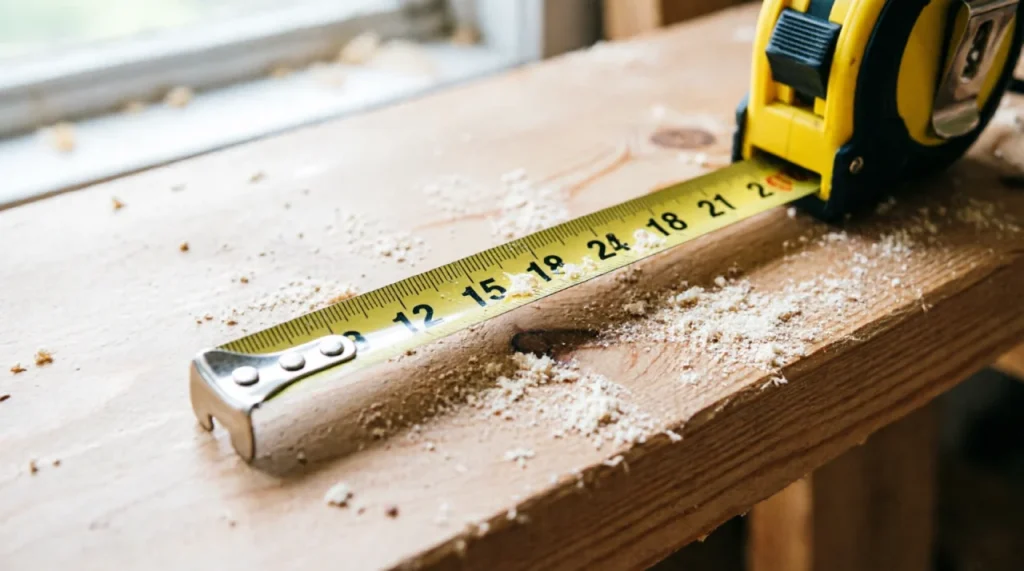
1. Tape Measure
If you can’t measure accurately, everything else falls apart.
A tape measure is the tool you’ll reach for more than any other—spacing pictures, checking if a bookshelf will squeeze into a corner, marking cut lines. For most beginners, a simple 25-foot tape is all you need. Look for one with a sturdy blade that doesn’t flop when extended, and big, easy-to-read numbers.
Skip the fancy digital models at first. A classic Stanley PowerLock or similar will last for years, and you won’t cry if you drop it off a ladder.
Quick tip: Get in the habit of measuring twice before you cut or drill. It saves you from costly mistakes and trips back to the hardware store.
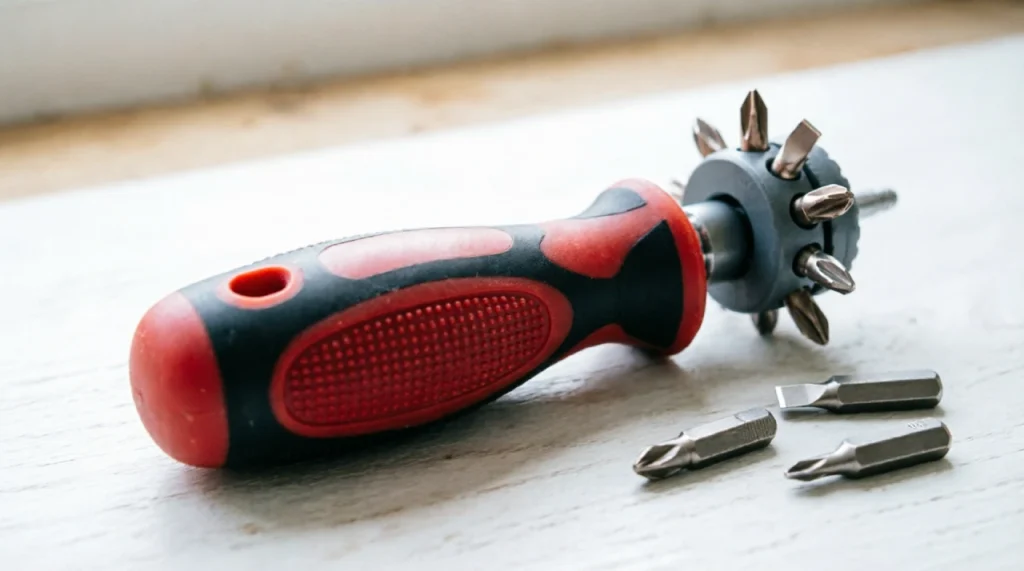
2. Screwdriver Set
Power drills are great, but for fine control, nothing beats a manual screwdriver.
A good screwdriver set helps you tighten cabinet hardware, assemble furniture, replace outlet covers, and tackle a hundred other small fixes. I learned the hard way that using the wrong size or type strips screw heads fast, turning a ten-second job into a nightmare.
Start with a multi-bit screwdriver like the Megapro 13-in-1. It stores all the common bits inside the handle, so you never lose the one you need. The grip should feel comfortable in your hand, and the shaft should be long enough to reach into recessed holes.
If you prefer a separate set, get at least two Phillips sizes (#1 and #2) and two flatheads. That covers 90 percent of household screws.
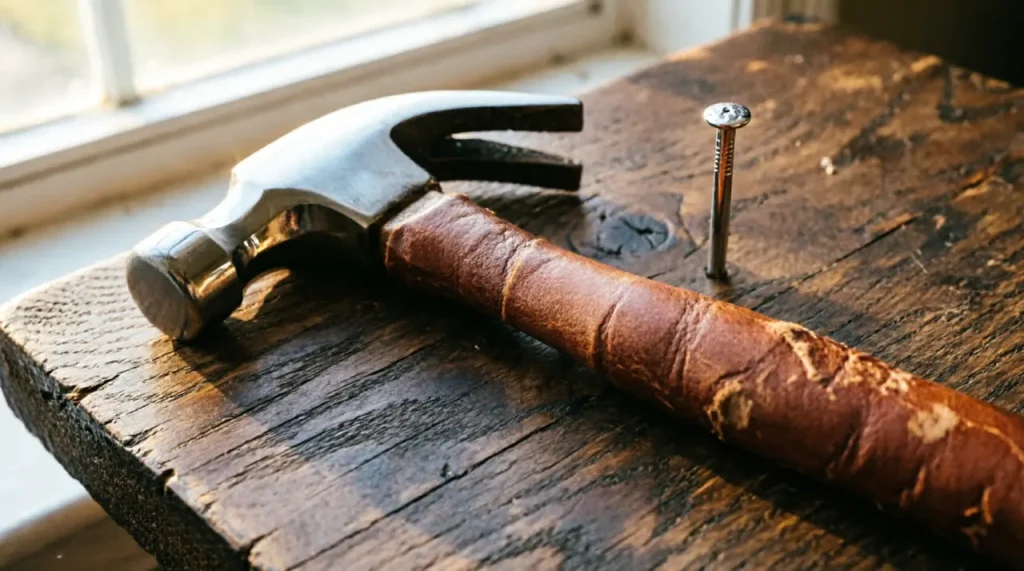
3. Claw Hammer
A hammer feels like the most primal tool in your kit—and in many ways, it is.
You’ll use it for hanging pictures, tapping furniture joints together, and pulling out bent nails. Choose a 16-ounce curved claw hammer. The curved claw gives you leverage for nail removal, and the weight is manageable for repetitive use.
Here’s something I wish someone told me early: if you’re working on anything with a surface you don’t want to mar, look for a smooth-faced hammer. A milled face grips nails better but leaves ugly marks on trim and finished wood.
The Estwing E3-16C is a single piece of steel from head to handle, so it won’t ever loosen. My own Estwing is over a decade old and still hits true.
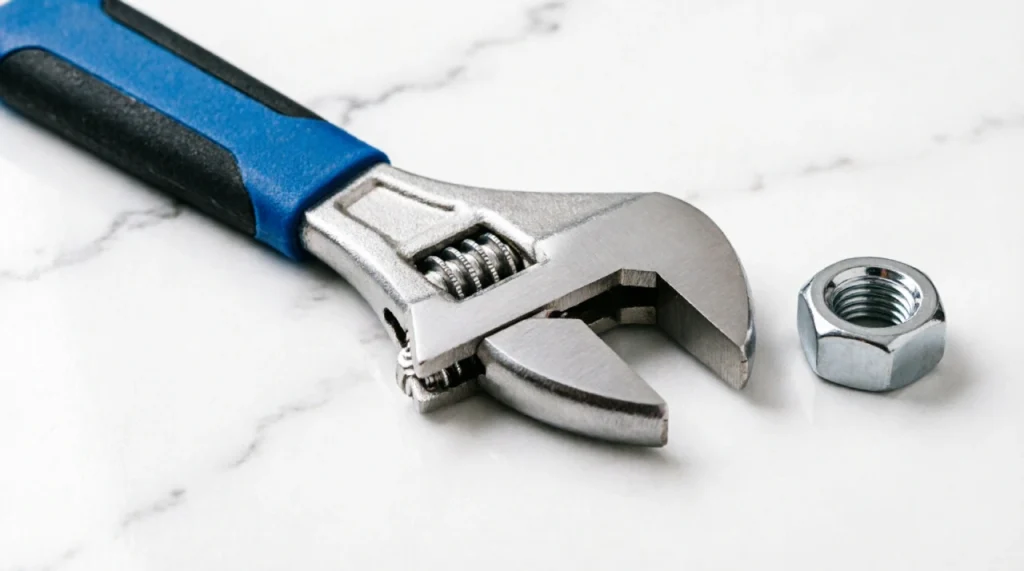
4. Adjustable Wrench
Pliers are handy, but an adjustable wrench does the heavy lifting when you deal with plumbing — like fixing a leaky kitchen faucet or tightening loose bolts.
Cheap wrenches tend to slip and round off the corners of nuts. That’s a sure way to turn a simple fix into a major headache. Spend a little more for one with smooth jaw adjustment that holds its setting, and a padded handle that lets you really lean into a stubborn bolt.
An 8-inch adjustable wrench, like the Channellock WideAzz, fits in tight spots but opens wide enough for most household nuts. It even works on garden hose fittings, which surprised me the first time I tried it.
5. Utility Knife
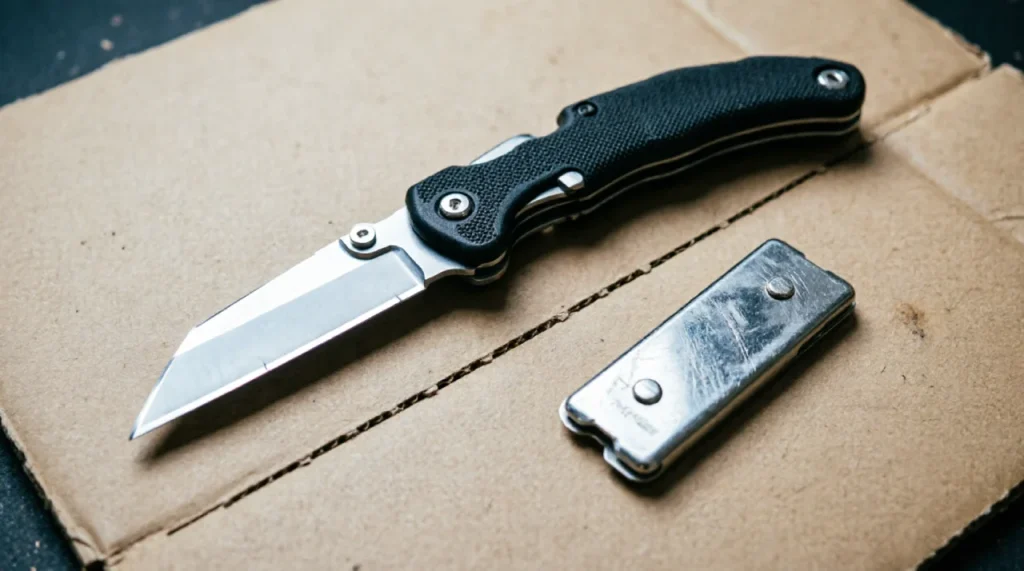
I didn’t appreciate the humble utility knife until I started opening endless boxes after a move. Then I began using it to trim carpet edges, cut drywall patches, score wood, and sharpen pencils.
A retractable blade is safest. Go for a model with a rubber grip and a quick blade-change mechanism; fumbling with tiny screws to replace a dull blade is frustrating. Stock up on replacement blades—they’re cheap, and a sharp blade requires less force and reduces the chance of slipping.
6. Torpedo Level
A crooked shelf or a tilted picture frame screams “amateur.”
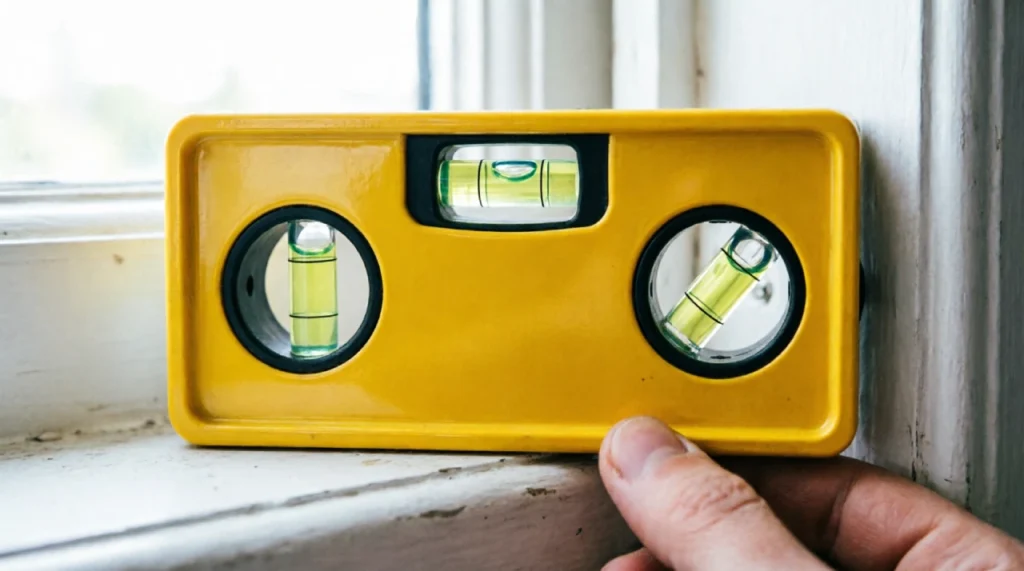
A small 9-inch torpedo level is perfect for hanging artwork, installing curtain rods, and checking if appliances sit evenly. The magnetic edge is a bonus when working on metal surfaces, and the three-bubble design lets you check horizontal, vertical, and 45-degree angles.
Don’t rely on your phone’s level app for anything longer than a few inches. A physical level is more accurate, doesn’t run out of battery, and can also double as a straightedge for marking cut lines.
7. Speed Square
A speed square is a triangle-shaped tool that does way more than check 90-degree corners.
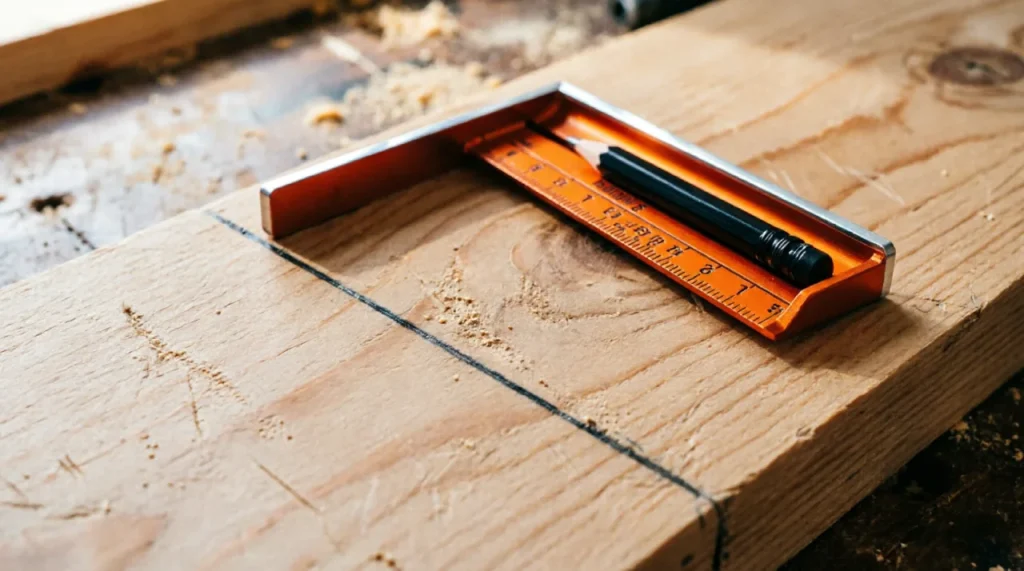
You can use it to mark straight lines across boards, find roof pitches, and guide your circular saw for perfectly square cuts. It’s small, nearly indestructible, and costs less than ten dollars.
Once I started using one, I was surprised how often I grabbed it instead of a tape measure for quick layout work. It also doubles as a cutting guide—press it against the shoe of your saw for a dead-straight line every time.
8. Cordless Drill/Driver
Of all the tools on this list, a cordless drill is the one that will make you feel like a real DIYer.
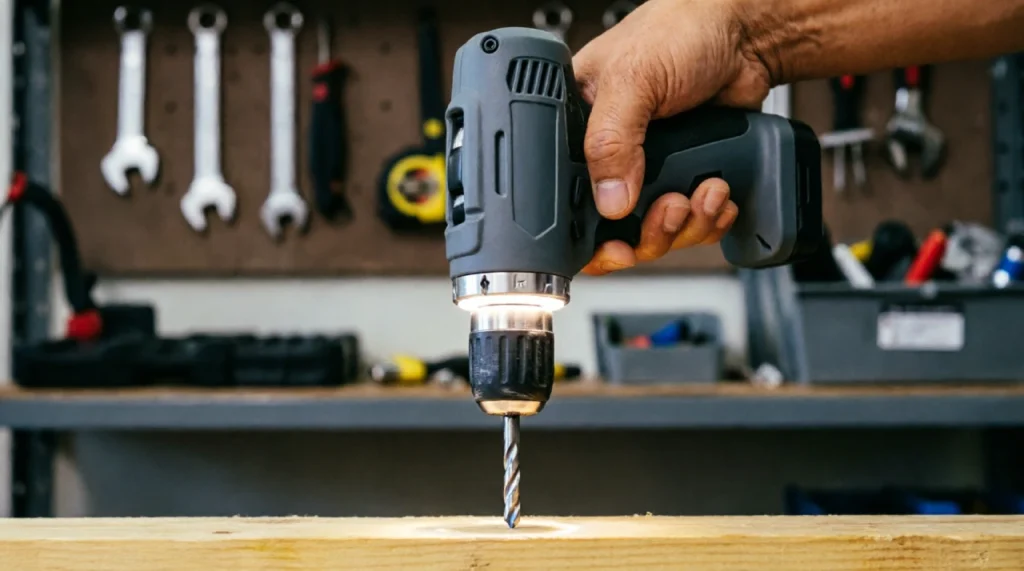
Driving screws by hand becomes exhausting after a few. A drill/driver makes assembling furniture, mounting shelves, and drilling pilot holes fast and effortless. I recommend a 12-volt model for beginners—it’s lighter, easier to control, and more than powerful enough for home projects.
The DeWalt DCD701F2 Xtreme 12V is my personal favorite. It drove over a hundred 3-inch screws in a single charge during a deck repair I helped a friend with, and the built-in LED light saves you from working in shadows. Invest in a set of quality drill and driver bits to go with it, including Phillips, square, and Torx heads.
If you’ll only buy one power tool, make it this one.
9. Circular Saw
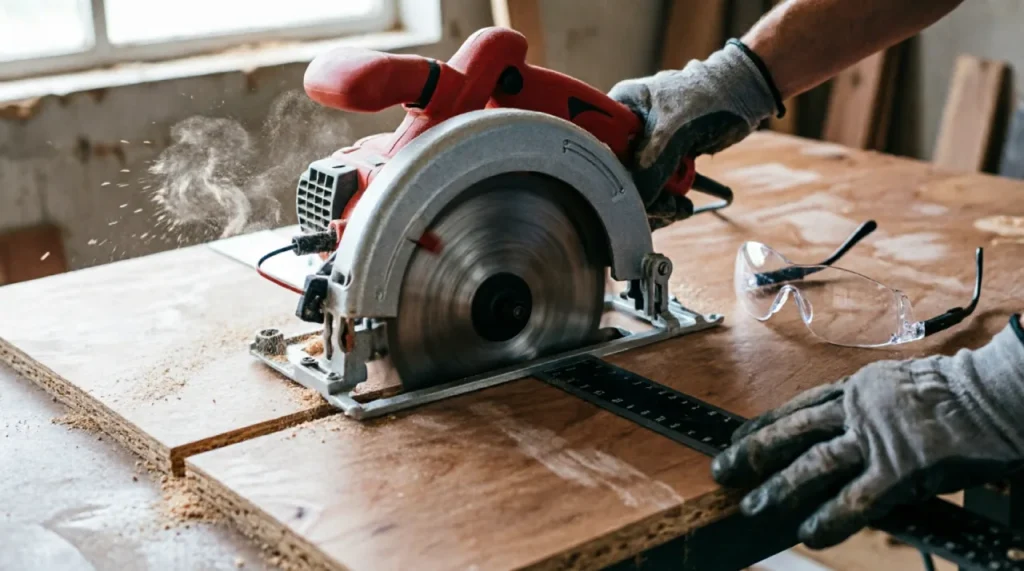
Once you gain a little confidence, you’ll want to cut your own boards to size. A circular saw makes quick, clean, straight cuts through lumber and sheet goods.
It’s more versatile than people give it credit for. Adjust the blade depth to cut through different thicknesses, tilt the shoe for angled cuts, and swap in a fine-finish blade for smoother edges on plywood.
Safety note: always wear eye protection and keep your hands clear of the blade path. Let the saw do the work—don’t force it. A simple corded model is fine for beginners; you won’t be dragging it far from an outlet in most home projects.
10. Toolbox or Rolling Storage
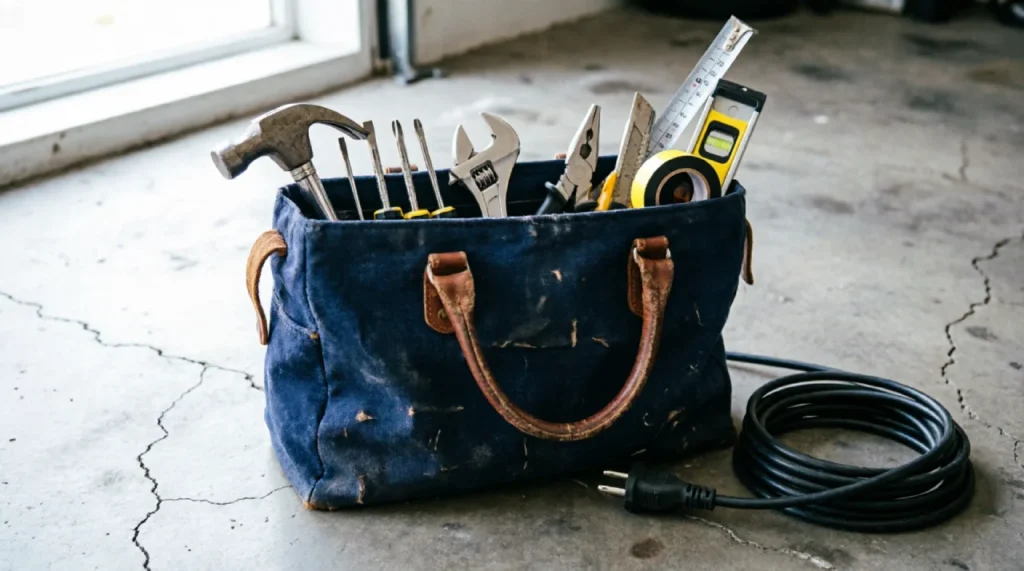
All these tools need a home, or you’ll spend more time hunting for your tape measure than actually using it.
Start with a basic canvas tool bag or a small plastic toolbox. As your collection grows, consider a rolling system like the DeWalt ToughSystem or a simple tool chest. I’ve found that storing tools in one place—and putting them back every time—keeps projects moving and frustration low.
A Few Extras Worth Mentioning
You don’t strictly need these on day one, but they pay for themselves quickly.
- Safety glasses: One flying nail fragment is enough to convince you. Keep a pair near your tools.
- Work gloves: Protect your hands from splinters, sharp edges, and blisters.
- Headlamp: Repairs inside cabinets, under sinks, or in dim basements become ten times easier with hands-free light. The Black Diamond Astro is bright, affordable, and simple to operate. And if you ever hear the toilet running in the middle of the night, a basic toilet repair can save you a plumber’s visit.
Building Your Kit Without Breaking the Bank
Here’s the thing: you don’t need to buy all ten tools at once.
Start with a tape measure, a multi-bit screwdriver, and a hammer. Then add the wrench and level. Pick up the cordless drill when you’re ready to tackle bigger projects, and grab the circular saw later still.
A decent starter kit with the basics costs around $50 to $80. As you grow, you’ll notice that quality tools feel better in your hand and last far longer. When you wear out a cheap tool, that’s your signal to upgrade.
Frequently Asked Questions
What is the most-used tool in any DIY kit? A tape measure, without a doubt. You’ll use it on almost every project, from measuring furniture to figuring out where to drill holes.
Can I buy a pre-assembled tool kit? Yes, and it’s a smart way to begin. Look for one with a hammer, screwdriver bits, tape measure, adjustable wrench, and utility knife. Avoid kits loaded with filler pieces like tiny socket sets you’ll never touch. The Anvil Homeowner’s Tool Set covers the essentials well and costs under $50.
Do I really need both a drill and a screwdriver? For speed, a cordless drill wins every time. But you still want a manual screwdriver for delicate tasks—tightening a loose eyeglass screw, for example, or working in very tight spaces where a drill won’t fit. Think of them as complementary, not redundant.
What’s the difference between a claw hammer and other hammers? A curved claw hammer is designed for driving nails and pulling them out. Other hammers, like ball-peen or framing hammers, serve different purposes (metalwork or heavy framing). For most home repairs, the classic curved claw is the right tool.
How do I fix a toilet that won’t stop running?
Most of the time the culprit is a worn‑out flapper. Replacing the toilet flapper is a 10‑minute fix you can do with just your hands — no plumber needed.
Your First Project Awaits
You don’t need a garage full of expensive gear to fix things around your home. Ten simple, well-chosen tools will get you through the vast majority of repairs and projects—and you’ll learn as you go.
Start small. Hang that shelf. Tighten that loose doorknob. Build a simple planter box. The confidence you gain from each little win is what turns a hesitant beginner into a capable DIYer. A lot of what I know came from watching my dad fix things around the house — he was a plumber who believed every homeowner should be self‑sufficient.
Trust me. I’ve been there. And I’ve still got the dented wall to prove it.

