
I’ll never forget the first time I called my dad in a panic over a toilet that wouldn’t stop running. Water was trickling into the bowl, the tank kept refilling every ten minutes, and I was sure I’d need to call an emergency plumber on a Sunday. That was going to cost me a fortune.
He talked me through the fix in under three minutes. Didn’t even need a single new part.
My dad was a plumber for over 40 years, and while I didn’t follow him into the trade, I absorbed more than I realized. Over the years, those little lessons he passed along have saved me thousands of dollars in service calls — and kept my home from turning into a disaster zone.
Most people pick up the phone the moment something goes wrong. But a lot of common household plumbing problems are surprisingly simple to fix yourself, as long as you know what to look for and have a little guidance. No expensive tools, no fancy training. Just a few tricks my dad swore by.
Here are five DIY plumbing fixes he taught me that I’ve used again and again.
1. The Running Toilet
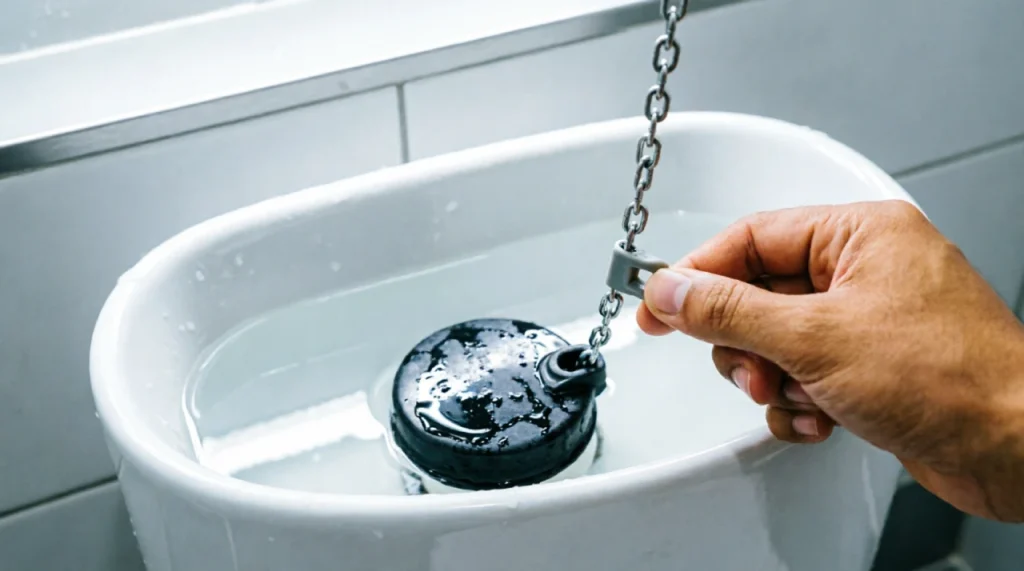
A running toilet isn’t just annoying — it can waste hundreds of gallons of water a month. The good news: the fix is almost always quick.
Lift the lid off the tank and watch what happens. Most of the time, the rubber flapper at the bottom isn’t sealing properly. If the chain connecting the flapper to the flush handle is too short, it won’t drop all the way down. Too long, and it can get caught underneath, leaving a gap.
Adjust the chain so there’s just a tiny bit of slack when the flapper is closed. If the flapper itself looks warped or feels brittle, replace it. They cost a few bucks and snap right in.
Mineral buildup around the flapper seat can also cause a slow leak. Just wipe the rim clean with a cloth or a bit of white vinegar. That alone has fixed more running toilets than I can count.
2. The Slow Bathroom Sink
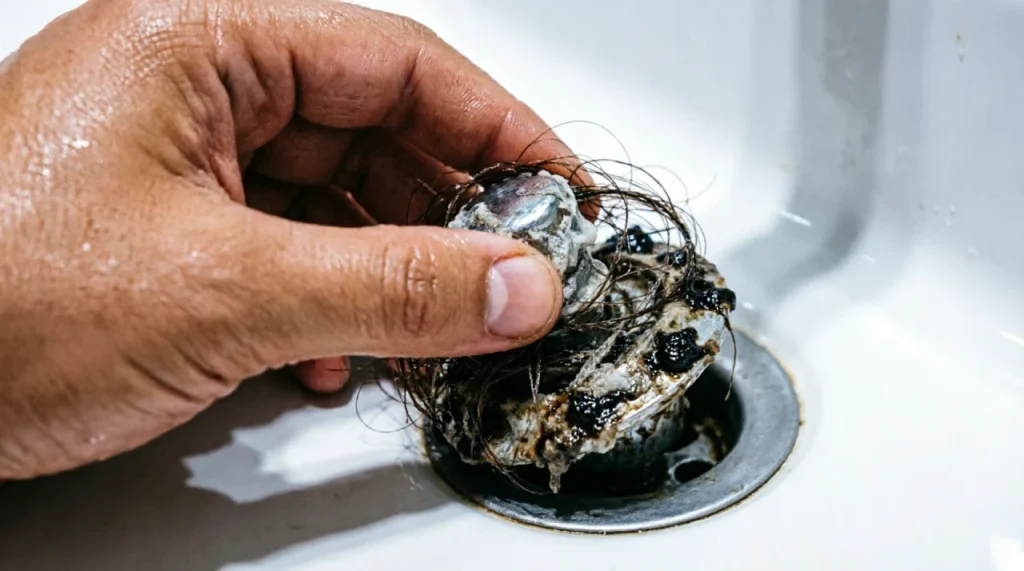
Water that pools around your ankles in the bathroom sink isn’t usually a pipe problem. It’s a gunk problem.
Pop-up stoppers are magnets for hair, soap scum, and toothpaste gunk. You can usually unscrew the stopper by hand, or pull it straight up and out. Once it’s free, you’ll likely see a slimy mess wrapped around the base.
Clean all of that off — a paper towel and a little disinfectant will do — rinse it, and pop it back in. In most cases, the water will drain perfectly again.
My dad never let us pour chemical drain cleaners down any sink. He said they might eat through the clog, but over time they eat through the pipes too. A manual clean takes five minutes and doesn’t risk a $500 repair down the road.
3. The Wiggly Faucet
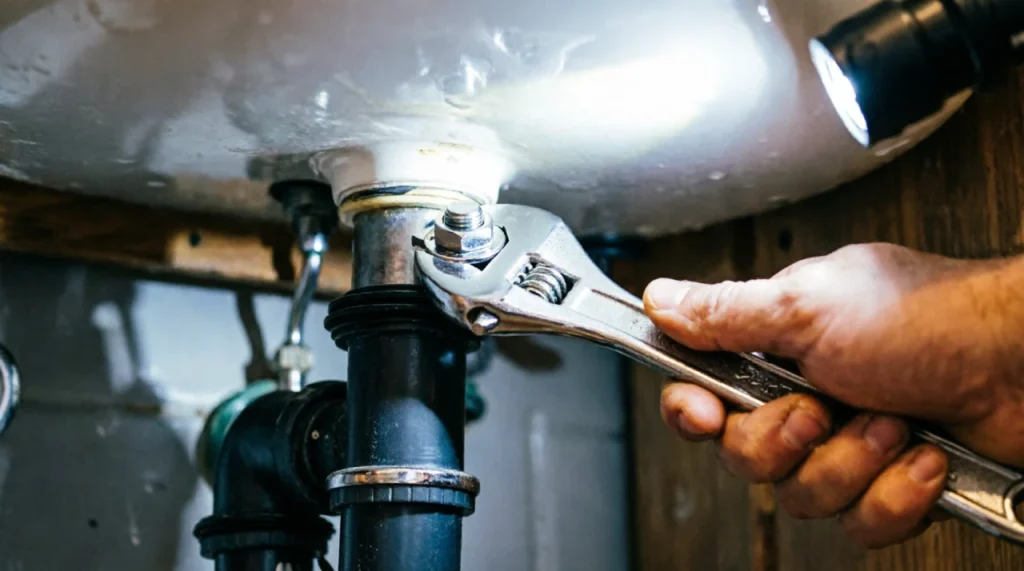
A loose kitchen or bathroom faucet feels like a bigger problem than it actually is. When the whole fixture shifts every time you touch it, the fix is usually right underneath the sink.
Grab a flashlight and look up behind the basin. You’ll see a mounting nut threaded onto the tailpiece of the faucet. That nut works itself loose over time, especially on sinks that get heavy daily use.
Tighten it by hand first. If you can’t get a good grip, a basin wrench is the right tool for the job — it’s designed to reach up into tight spaces. Turn slowly and stop as soon as the faucet feels solid again.
One warning from my dad: don’t overtighten. Too much force can crack a porcelain sink or damage the fixture. Snug is all you need.
4. The Clogged Showerhead
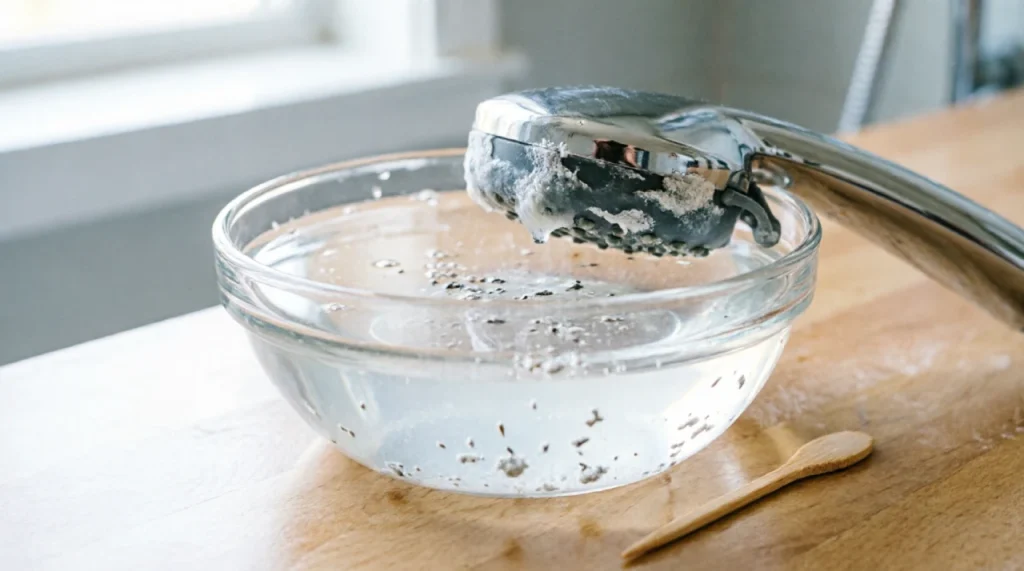
When your shower starts spitting water in odd directions or the pressure drops to a sad trickle, mineral deposits are usually the culprit. Hard water leaves behind calcium and lime that slowly block the tiny spray holes.
Unscrew the showerhead. If it’s stuck, wrap a cloth around the connection and use pliers gently — you don’t want to scratch the finish.
Submerge the whole showerhead in a bowl of plain white vinegar and leave it overnight. The vinegar dissolves the mineral buildup without any scrubbing. In the morning, use a toothpick to poke out any bits still lingering in the holes, give it a quick rinse, and screw it back on.
The difference in water pressure is instant, and you haven’t spent a dime on replacements or harsh cleaners.
5. Know Where Your Main Water Shut-Off Is
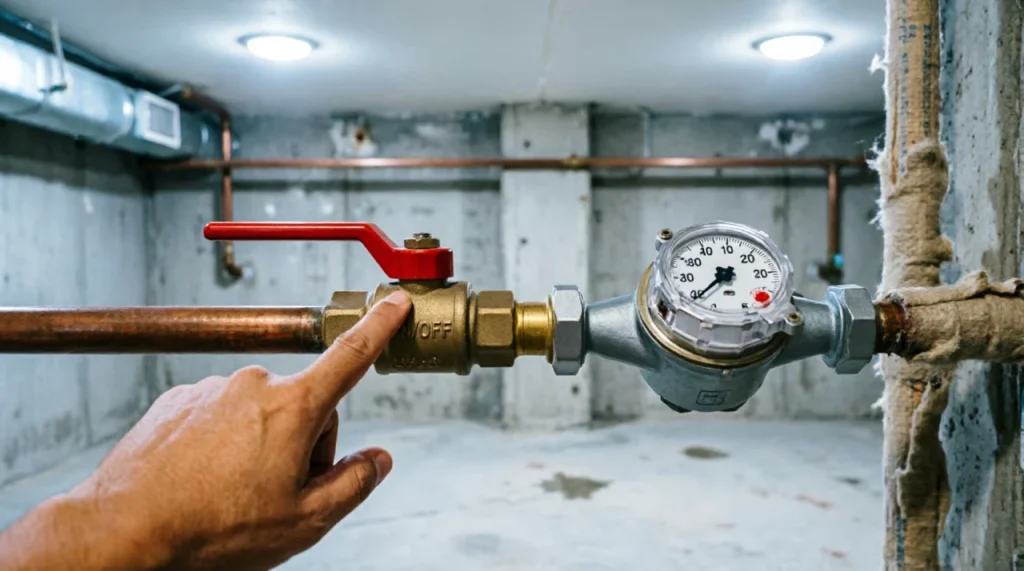
This one isn’t a repair. It’s the one thing my dad made sure I knew before I ever touched a wrench.
The main water shut-off valve controls the flow of water into your entire house. If a pipe bursts, a supply line snaps, or you suddenly can’t stop a leak, turning this valve off is the difference between a minor cleanup and a flooded basement.
Find it today, not when you’re ankle-deep in water. It’s usually in the basement, crawl space, garage, or on an exterior wall facing the street. In warmer climates, it may be outside near the water meter.
Turn it clockwise to shut off the water. Test it once so you know it works. If it’s stiff, don’t force it — call a plumber to replace it before you actually need it.
I’ve had to sprint to that valve twice in my life. Both times, knowing exactly where it was saved me thousands.
None of these fixes require a plumber’s license or a truck full of tools. Just a little confidence, some basic know-how, and the willingness to look under the sink before you panic.
My dad always said that the most expensive plumbing call is the one you make before you check the simple stuff. I’ve lived by that advice, and it’s never let me down.
Frequently Asked Questions
Can I use a toilet plunger on a sink?
Yes, in a pinch. Just flip the rubber flap inside the bell so it forms a dome shape. That said, it’s better to keep a separate plunger for the kitchen and bathroom — you don’t want to cross-contaminate.
How often should I clean my showerhead with vinegar?
Once every four to six months works for most homes. If you have hard water, you might notice pressure dropping sooner. Soak it whenever the spray pattern starts to look uneven.
Is it safe to tighten a faucet myself?
Absolutely. Just tighten the mounting nut under the sink carefully. If you’re unsure, hand-tighten first, then use a basin wrench for a small extra turn. Stop as soon as the faucet stops wobbling.

