
My grocery bill used to scare me more than my kid’s report card.
Last month, I decided to do something about it. I tracked every single receipt for four weeks straight. I wanted to know one thing. Could I really feed my family of 4 healthy meals for under $150 a week?
The answer is yes. But it took a few rough weeks to figure out how. There was even one embarrassing trip to the store.
This isn’t a fancy meal plan from a dietitian. This is what actually worked for my family, mistakes and all.
I have two kids, a mortgage, and a job that doesn’t leave much room for fancy cooking. If you’re in the same boat, this one’s for you.
Can You Really Feed a Family of 4 for $150 a Week?
Yes, you can feed a family of 4 healthy meals for under $150 a week. Build dinners around shared ingredients like chicken, rice, eggs, and in-season vegetables. Skip processed snacks and pre-made meals — they eat up your budget fast. It takes planning more than money.
I proved this over a full month. Not just one lucky week.
Why I Started Tracking Every Receipt
Three months ago, I stood in the checkout line with my daughter on my hip. The total came up: $267. For one week of groceries.
My stomach dropped. My daughter was reaching for a candy bar by the register. I had to tell her no, again.
She cried the whole way to the car. I felt like a failure as a dad, and that’s not an exaggeration.
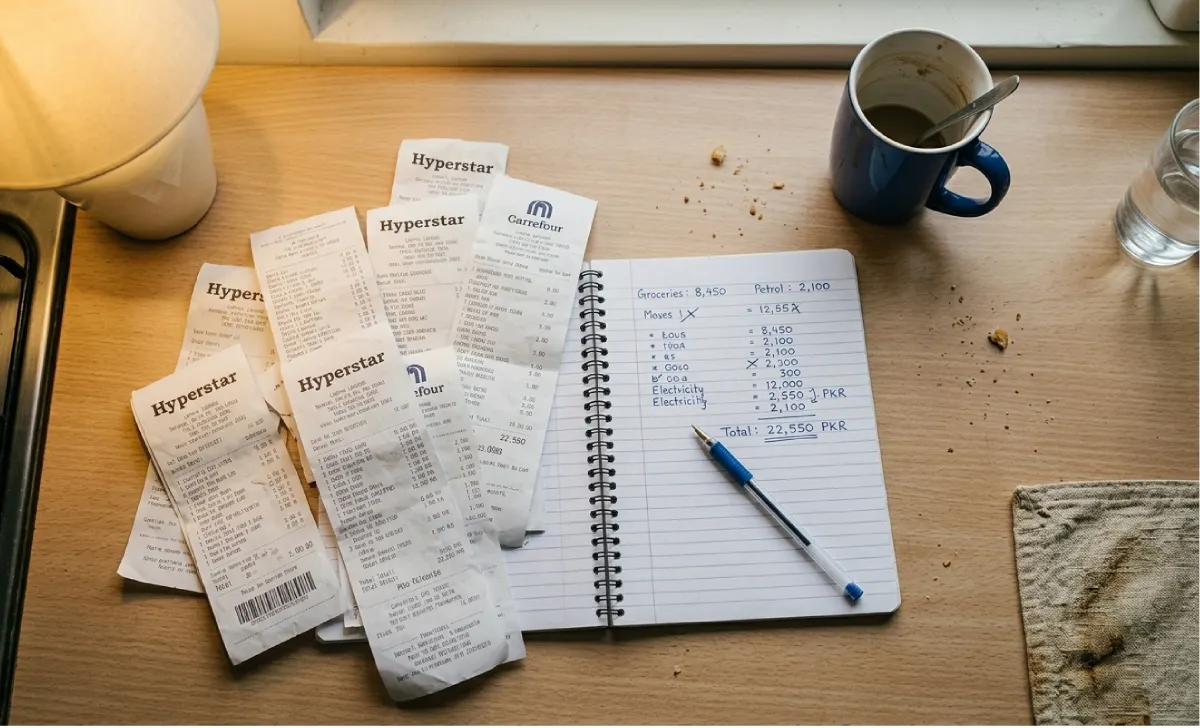
That night, after the kids were asleep, I dumped a pile of receipts on the kitchen table. I started sorting them into piles. Chips. Soda. A rotisserie chicken we never finished. A bag of clementines that went mouldy in the fridge.
We weren’t broke. We were wasteful. I made myself a rule that night: track every dollar for one month, no excuses.
That rule changed everything.
The first few days were rough. I’d open the fridge out of habit and stare at it like the answer was in there. It wasn’t.
I started keeping a small notebook by the fridge. Every time I bought something, I wrote it down. It felt silly at first, like I was back in middle school doing homework. But by day five, I could already see the pattern.
We were spending almost $40 a week on stuff that just got thrown away. Half a loaf of bread gone mouldy. Leftover rice nobody touched. A bag of spinach we bought “to be healthy” and never opened.
My Real $150-a-Week Meal Plan for a Family of 4
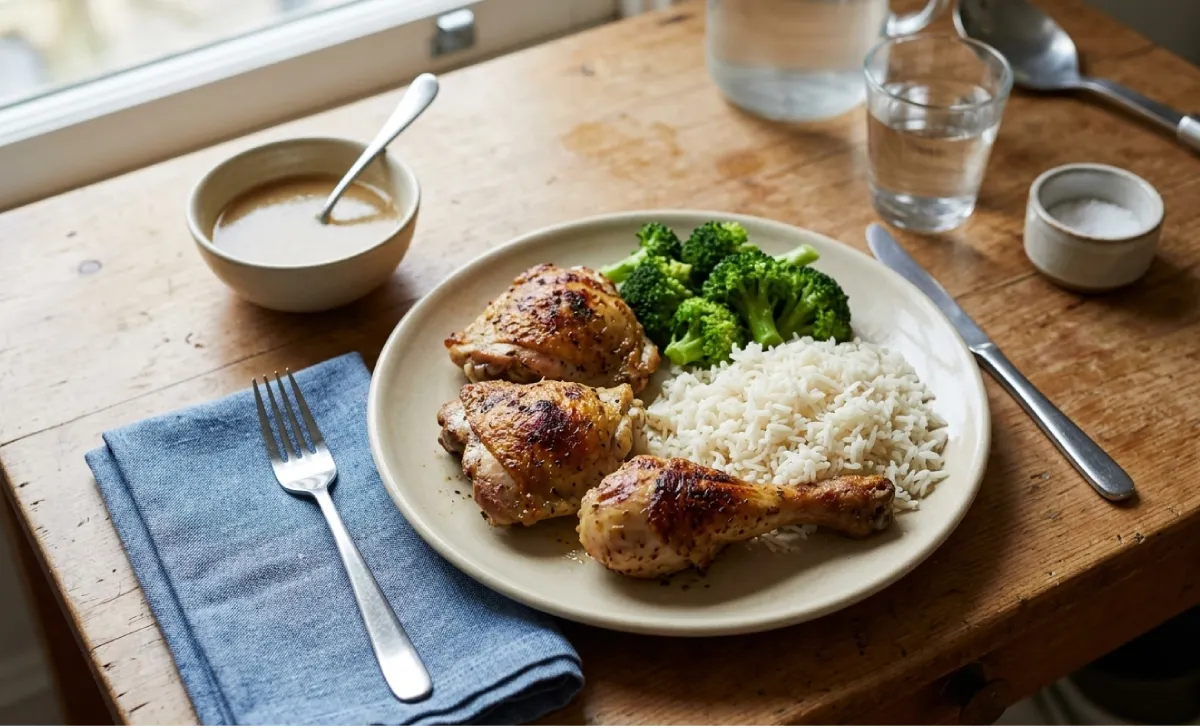
Here’s what actually landed on our table each week, and what it cost me.
Monday: Roast chicken with rice and frozen broccoli. About $9. I always buy a whole chicken — it’s cheaper per pound and gives us leftovers.
Tuesday: Chicken tacos using Monday’s leftover meat. About $6. Tortillas, a can of beans, shredded cheese, and whatever veggies needed to use up.
Wednesday: Egg fried rice with the leftover rice from Monday. About $5. Eggs are one of the cheapest proteins you can buy.
Thursday: Spaghetti with a simple meat sauce. About $8. I buy ground beef on sale and freeze the extra for next time.
Friday: Loaded baked potatoes with cheese, beans, and veggies. About $7. The kids love building their own plate.
Saturday: Pancakes for dinner, with fruit on the side. About $5. Breakfast-for-dinner nights are cheap and always a hit.
Sunday: Slow cooker chilli, made big enough for Monday’s lunches too. About $9.
Add in breakfasts and lunches built around eggs, oatmeal, and sandwiches, plus snacks like fruit and popcorn. My total landed between $138 and $147 most weeks.
Lunches were the easiest part once I stopped overthinking them. Leftovers from dinner covered most days. On the days they didn’t, it was just turkey sandwiches or PB&J with some fruit on the side.
I also started writing my shopping list by meal, not by aisle. I’d write “Monday: chicken, rice, broccoli” instead of just “chicken.” It kept me from buying random stuff I didn’t actually need that week.
Where the Budget Almost Blew Up
Week two, I almost lost it. My son had a birthday party at school, and I grabbed cupcakes and juice boxes on the way. That alone cost $18 I hadn’t planned for.
Then my wife got sick, so I ran to the store twice that week instead of once. Extra trips always mean extra spending. You grab things you don’t actually need.
By Thursday, we were already at $160. I panicked a little.
So I made Friday and Saturday “pantry nights.” We ate what we already had. Beans, rice, frozen veggies, the last of the ground beef. No shopping at all.
We landed at $151 that week. Close enough. The lesson stuck with me — one bad day doesn’t ruin the week if you adjust fast.
I also learned to keep a small buffer in my head, maybe $10 or $15. Life happens. A school party, a sick kid, a forgotten birthday cake. Building in a little wiggle room beats panicking every time something unplanned shows up.
5 Quick Money-Saving Tricks for Busy Dads
You don’t have time to read a 10-step grocery strategy. Here’s what actually moves the needle.
Buy a whole chicken, not parts. It’s cheaper per pound, and you get more meals out of it.
Shop with a list and stick to it. Wandering the aisles is where budgets go to die.
Cook once, eat twice. Double a recipe and freeze half for a busy night later.
Plan around what’s on sale, not what sounds good. Flexibility saves real money.
Keep three “no-fail” cheap dinners on standby. Mine are tacos, fried rice, and pasta. They save chaotic weeks.
Check your fridge before you shop. Most weeks, I already had half of what I needed and didn’t even realise it.
Keeping It Healthy Without the Kids Revolting

Cheap and healthy is easy when you’re only feeding yourself. It gets a lot harder with a 7-year-old who thinks vegetables are poison.
Here’s what worked for us. I started letting my son help cook. Kids are more likely to eat something they helped make, even if it’s just stirring the pot.
I also stopped fighting every single battle. Some nights, ketchup on broccoli is a win. I’m not chasing a nutrition award. I just want my kids eating real food most of the time.
Frozen vegetables became my secret weapon. They’re cheap, they last, and nobody can tell the difference once they’re mixed into rice or sauce.
One night I tried roasted cauliflower, fully expecting it to get rejected on sight. My daughter ate three pieces and called it “popcorn trees.” I didn’t correct her. I just smiled and bought more cauliflower the next week.
Is $150 a Week Doable for Your Family?
Honestly? It depends on where you live and how many nights you can actually cook. Some weeks were easier than others for us.
But the bigger shift wasn’t the dollar number. It was paying attention. Once I started tracking receipts, I stopped wasting food and money without even noticing it.
If you’re staring at your own grocery bill feeling stressed, start small. Track one week. You’ll probably be surprised by what you find — I sure was.
You don’t need a perfect plan. You just need to start paying attention, one receipt at a time.
I’m not telling you this was easy every single week. Some weeks we came in under budget without trying. Other weeks I had to talk myself out of ordering pizza on a Wednesday night. But four months in, this is just how we shop now. My grocery bill doesn’t scare me anymore.
Eating Better Was Just the Start
Once I stopped wasting money at the store, I noticed something else. I had more energy by the end of the week.
That got me thinking about more than just food. A lot of us let our own health slide once we become dads. I sure did. If that sounds familiar, this guide on going from dad bod to dad strong is worth a read.
I’ll be honest — walking back into a gym after years away felt intimidating. If you feel the same way, this guide for dads heading back to the gym breaks it down without the awkward part.
I didn’t have room for a home gym, so I started small instead. A set of space-saving dumbbells fit in our hall closet and got me moving again, even on busy weeks.
That’s the part nobody tells you about saving money on groceries. Once you start paying attention to one part of your life, you start paying attention to all of it.

