
It happens in living rooms across the world. A child runs past their father and leaps straight into grandpa’s arms. The father watches, quietly confused, maybe even a little hurt. This scene is more common than most families admit, and it carries a deeper story worth understanding. When kids bond more with grandpa than dad, it doesn’t mean something is broken. It often means something surprisingly beautiful is at work — a connection shaped by time, patience, and a kind of love that exists outside the rush of everyday life.
There are real, well-studied reasons why children feel closer to grandparents, and especially to their grandfathers. Understanding these reasons can help families appreciate this bond rather than feel threatened by it.
The Unhurried World Grandpa Creates
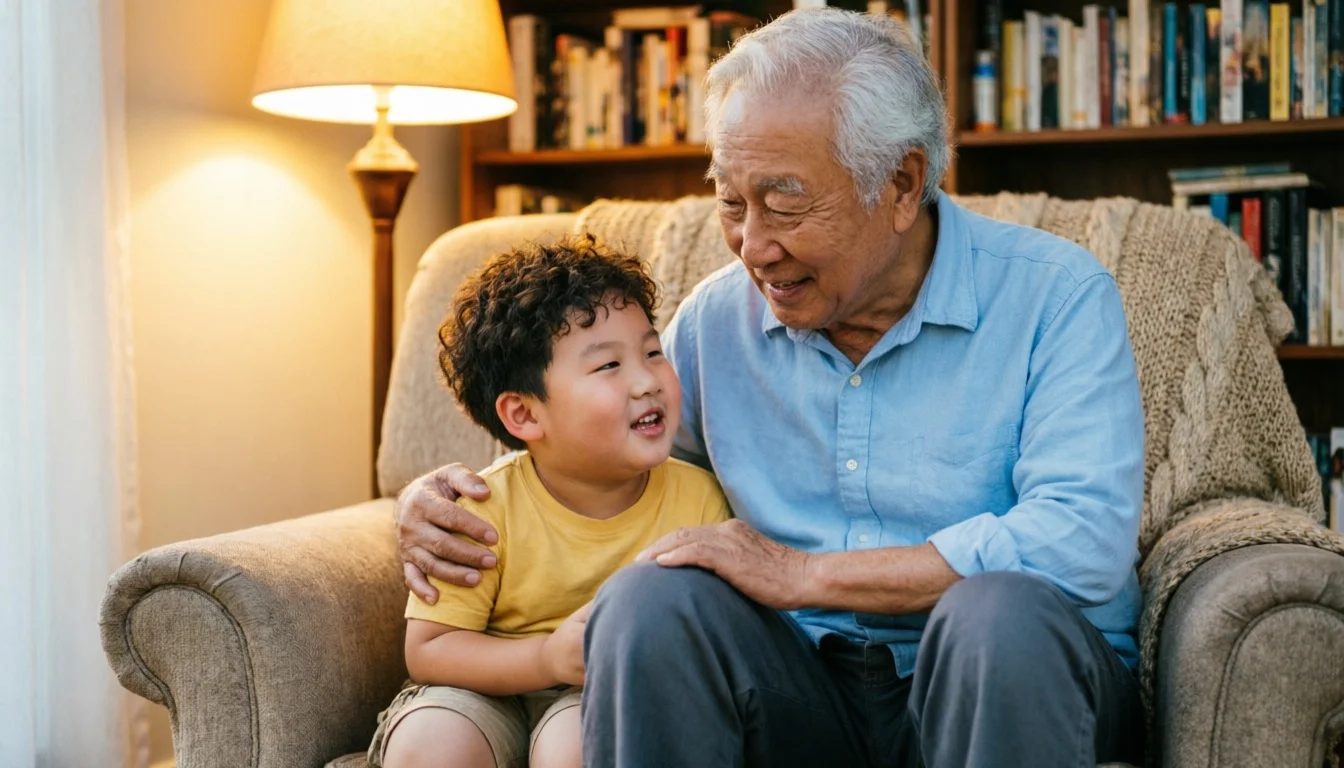
One of the biggest reasons kids bond more with grandpa than dad comes down to pace. Fathers are often pulled in multiple directions — work deadlines, bills, household responsibilities, and the exhausting logistics of raising children. Grandpa, by contrast, usually moves at a slower speed. He has the time to sit on the floor and build a puzzle without glancing at his phone. He can listen to a long, rambling story about dinosaurs without rushing the ending.
Children are remarkably sensitive to attention. When a grandparent gives a child their full, undivided focus, the child registers that as love. It creates a safe space where the child feels genuinely seen and heard. Over time, this consistent, unhurried attention builds a strong emotional bond with grandfather that a busy parent sometimes struggles to match, not because the parent loves less, but because life demands more from them.
This quality time becomes a treasured ritual. Weekend visits to grandpa’s house start to feel like entering a different world — one where the child is the most important person in the room. That feeling is powerful, and children return to it again and again.
No Rules, No Rush: The Freedom Factor
Ask any child why they love spending time with grandparents and one answer comes up almost every time: grandpa lets me do things mom and dad don’t. This isn’t just about being spoiled, though that’s part of it. It’s about freedom. Grandparents tend to enforce fewer rules, allow more dessert, stay up later, and generally create an environment where the child experiences a lighter kind of joy.
Fathers carry the weight of discipline. They set bedtimes, enforce screen limits, push vegetables, and say no far more often than grandpa ever does. Children understand, on some level, that these rules exist for their benefit. But they still associate dad with structure and grandpa with fun. That association shapes the emotional bond they develop with each person.
Research in child psychology suggests that children naturally gravitate toward relationships where they feel less judged and more accepted. Grandpa’s home becomes a place where mistakes are met with laughter rather than correction. That emotional safety is deeply attractive to children, especially during the years when they’re still figuring out who they are.
Storytelling, Wisdom, and the Magic of “Back in My Day”
Grandparents carry history. They have stories that feel almost mythological to a young child — tales of growing up without smartphones, surviving tough times, or adventures from a world the child has never seen. When grandpa tells stories, children don’t just hear words. They enter another world. This storytelling tradition is one of the oldest and most powerful ways human beings create emotional connection.
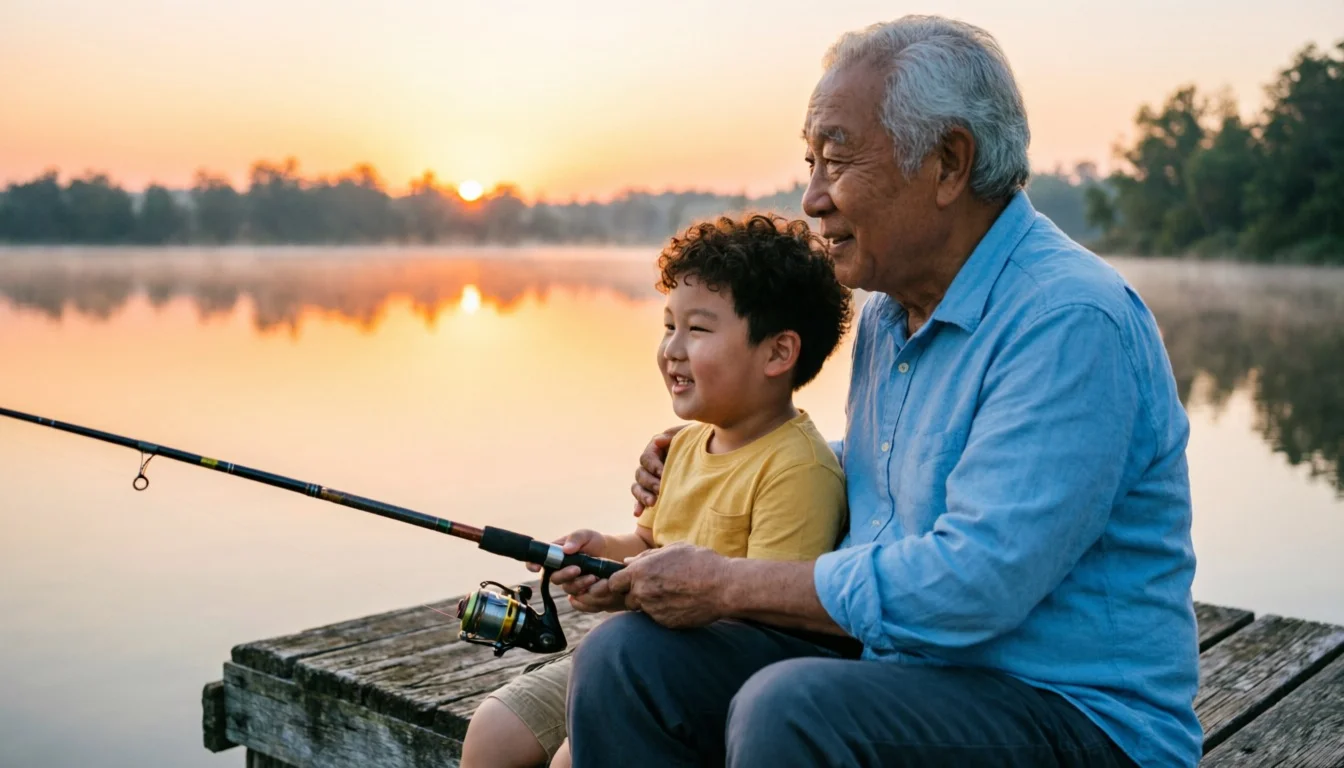
The grandfather-grandchild relationship is often built on this kind of shared narrative. Grandpa becomes a living library, a source of wisdom and wonder. Children are naturally curious, and grandparents have the patience and the material to feed that curiosity endlessly. A grandfather who takes his grandchild fishing and tells stories about his own childhood isn’t just passing time — he’s building the kind of bond that children carry into adulthood.
Studies published in sources like Psychology Today have noted that intergenerational storytelling strengthens a child’s sense of identity and belonging. When kids understand where they come from — their family history, their roots — they develop a stronger sense of self. Grandpa is often the keeper of those stories, and children instinctively treasure that access.
Why Grandfathers Hold a Special Place for Boys
While the grandparent-grandchild relationship is meaningful for all children, there is something particularly notable about the bond between a grandfather and a grandson. Boys, especially in their early and middle childhood years, are searching for models of masculinity. They watch how men behave, how they talk, how they carry themselves through the world.
Grandfathers often represent a steadier, more settled version of manhood than fathers can offer at the same stage of life. A grandfather has already raised his children, navigated his career, and arrived at a place of relative calm. He can sit with a boy and teach him to fix something, or simply be present without the restlessness of a younger man still building his life.
This doesn’t diminish the father’s role — it complements it. But it does explain why a grandson can feel an unusually deep emotional connection with grandpa that surprises even the family itself. The grandfather-grandson relationship often carries an unspoken understanding: I have been where you are going, and I will show you the way.
What Does the Research Say About Emotional Bonds With Grandparents?
The emotional bond between grandparents and grandchildren isn’t just a sentimental notion. It is backed by meaningful research. According to Verywell Family, children who maintain close relationships with their grandparents tend to show better emotional adjustment, higher resilience, and stronger social skills. The stability that grandparents provide acts as a buffer during stressful periods in a child’s life.
Grandparents often serve as a secondary attachment figure. When a child is upset and their parent is overwhelmed or unavailable, the grandparent steps in as a source of comfort and safety. Over time, this role reinforces the child’s sense that the world is a secure place — a foundational belief that influences their emotional development for years.
It’s also worth noting that grandparents can often discuss emotions more openly than fathers. Older generations of men, surprisingly, sometimes become more emotionally expressive as they age. A grandfather who may have been stoic during his own children’s upbringing can turn into a warm, emotionally available presence for his grandchildren. That shift can create a unique emotional connection that children feel deeply.
Does This Mean Dad Is Doing Something Wrong?
When parents notice that their child has formed a particularly close bond with grandpa, it’s easy to interpret it as criticism. But child development experts, including those at Child Mind Institute, are clear that a child bonding with multiple adults is a healthy sign, not a warning signal. Children are not dividing their love — they are expanding it.
A father who works long hours to provide for his family is showing love, even if the child can’t always see it yet. A grandfather who shows up at 9 a.m. with no agenda and stays until sunset is showing love in a way the child experiences directly. Both forms of love are real and important. The child simply responds more visibly to the form they can see and feel in the moment.
Fathers who worry about this dynamic are encouraged to look for small pockets of quality time rather than competing with grandpa’s unlimited availability. It doesn’t take all day to build a memory. A focused hour of genuine attention — no phone, no distraction, fully present — can leave a lasting impression on a child’s sense of connection with their father.
How Grandpa’s Presence Shapes a Child’s Development
The benefits of grandparents in a child’s life go well beyond emotional warmth. Grandparents contribute meaningfully to a child’s cultural identity, moral framework, and sense of family tradition. When grandpa takes a grandchild to religious services, teaches them a traditional recipe, or shares the values that guided his own life, he is passing on something that shapes who the child becomes.
This intergenerational transfer of culture and values is one of the most underappreciated aspects of the grandparent-grandchild relationship. In many communities around the world, grandparents are not secondary figures in a child’s life — they are central to it. The idea that nuclear families exist in isolation is relatively modern and, by many accounts, relatively unhealthy.
Children who grow up with strong grandparent relationships tend to have a broader sense of empathy. They learn, through experience, that people of different generations have different perspectives — and that those perspectives are worth understanding. This is a form of emotional intelligence that serves them throughout their lives.
Celebrating the Bond Instead of Competing With It
If you’re a parent who has noticed your child’s deep emotional bond with grandpa, the healthiest response is celebration rather than competition. This bond is not a replacement for parental love — it is an addition to it. It is evidence that your child is surrounded by people who care deeply about them, and that is one of the greatest gifts any parent can give.
Encouraging the grandparent-grandchild relationship strengthens the entire family system. When grandpa and grandson share a deep connection, the child gains a mentor, a storyteller, a sense of history, and a model for how to grow old with grace and warmth. These are not small things. They are the kinds of gifts that shape a life.
The next time you see a child run past their dad and into grandpa’s arms, remember that it’s not a contest. It’s a child reaching for love — and finding it in both places.
Understanding the emotional connection between grandparents and grandchildren can help families support healthier, more intentional bonds across all generations.

