
I used to think home maintenance was something only handyman types had to worry about. Then my basement flooded. A tiny pipe leak I’d ignored for months finally gave way, and I spent a weekend soaking wet, vacuuming water, and kicking myself. That was my wake-up call. I learned the hard way that a little regular attention can save you from huge, expensive disasters.
What I really needed back then was a simple, no-nonsense checklist — not a 50-page manual, just the essentials that actually matter. So I built one. In this article, I’ll share the exact home maintenance checklist that now keeps my home (and budget) safe. Whether you’re a new homeowner or you’ve been in your place for years, these tasks will help you protect your biggest investment without eating up your weekends.
Your Quick-Start Plan: 5 Things to Do Right Now
If you haven’t touched your home’s maintenance in a while, start here. These five tasks take very little time and can immediately reduce your risk of major damage.
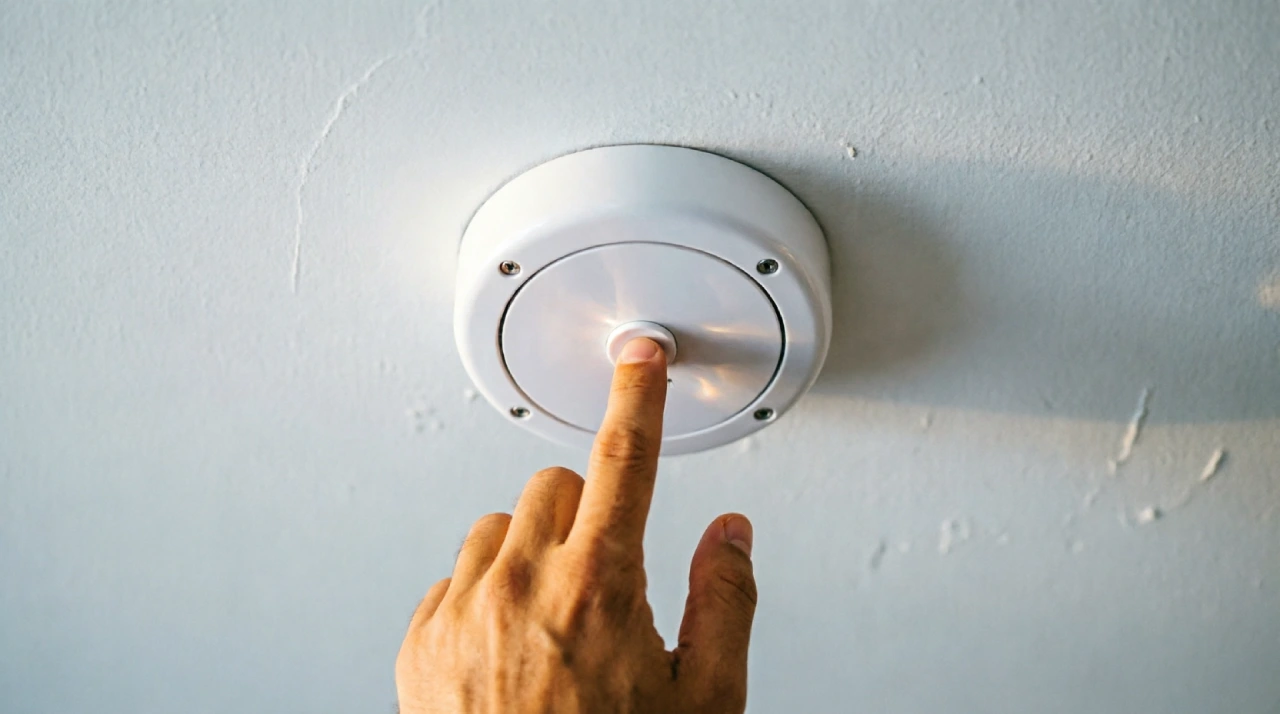
- Check every smoke and carbon monoxide detector. Press the test button on each one. If the alarm sounds weak or the batteries are more than a year old, swap them out. This alone could save your family’s life.
- Find your main water shut-off valve and make sure it works. In an emergency, you need to know exactly where this is and be able to turn it quickly. Test it once — you’ll thank yourself later.
- Replace the air filter in your heating or cooling system. A clogged filter makes your system work harder, hikes your energy bill, and can lead to expensive breakdowns. Write the date on the new filter so you remember next time.
- Clean out your gutters and downspouts if they’re clogged. Water spilling over can damage your roof, siding, and foundation. Even a quick scoop-out can prevent big problems.
- Do a slow walk around your house looking for water stains, cracks, or anything odd. Check ceilings, under sinks, around windows, and along basement walls. Catching a tiny leak early is like finding money.
Once you’ve tackled those quick wins, a monthly rhythm will keep things on track.
Monthly Maintenance That Takes Less Than 30 Minutes
I like to block out a half-hour on the first Saturday of each month. Here’s what that time typically covers.
Filter and vent check
Besides the big HVAC filter, your kitchen range hood, bathroom exhaust fans, and dryer lint trap need regular cleaning. A quick vacuum or wipe keeps air flowing and reduces fire risk.
Safety device test
Push the test button on your smoke alarms and carbon monoxide detectors. Make sure your fire extinguisher is still fully charged, and you know how to use it. If you have a security system, test a few sensors.
Moisture patrol
Look under kitchen and bathroom sinks for drips or soft spots. Check around toilets and the water heater. If you have a basement or crawl space, a glance now could prevent a mold problem later.
Drain love
Pour a kettle of hot water down each sink and tub drain to help clear soap buildup. If your drains are slow, a simple baking soda and vinegar flush can work wonders before you call a plumber.
These monthly habits catch small issues while they’re still cheap and easy to fix. Next, let’s look at how the changing seasons affect your home.
Seasonal Smarts: What to Do When the Weather Changes
You don’t need to do every task every season. Focus on the shifts that protect your home from weather extremes.
Spring
Winter can be tough on a house. Once the snow melts, check your roof for missing or curled shingles. Look at the ground around your foundation — soil should slope away from the house so water doesn’t pool near the walls. Service your air conditioner before the first heat wave hits; a pro can do this in under an hour, and it extends the life of the unit. Clean window screens, inspect outdoor faucets for freeze damage, and give your deck a good scrub.
Summer
Your main job in summer is keeping cool air in and hot air out. Check weatherstripping around doors and windows. Reverse ceiling fans to spin counterclockwise so they push air down. Examine your sprinkler system for broken heads or leaks — a dry lawn is better than a flooded one. Clean your grill, check outdoor lights, and give your garage a quick declutter. Summer is also a great time to repaint any exterior trim that’s peeling.
Fall
Fall is the critical season. Disconnect garden hoses, drain outdoor faucets, and shut off valves to exterior water lines so they don’t freeze. Clean gutters thoroughly once the leaves have mostly fallen. Have a professional inspect your heating system and fireplace if you use one. Seal gaps around attic hatches and windows to keep heat inside. And if you live where it snows, test your snowblower now — not during the first blizzard.
Winter
Once winter sets in, your focus is on preventing ice damage and staying warm. Keep an eye out for icicles and ice dams forming on the roof edge — those signal heat loss from your attic. Check pipes in unheated areas; let faucets drip during extreme cold snaps. Run your bathroom fans after showers to push moisture out. Reverse ceiling fans to spin clockwise on a low setting to push warm air down from the ceiling.
By spreading the work across the seasons, nothing feels overwhelming. And for some jobs, your best move is knowing when to pick up the phone.
Knowing When to Call a Pro (and Avoiding a Disaster)
Remember my basement flood? I tried to fix that tiny leak myself with a wrench and a prayer. It held for about a week, then burst spectacularly at 2 a.m. I learned that some things are worth paying an expert for.
If a project involves natural gas, main electrical panels, anything structural, or a roof you can’t safely walk on, please call a licensed professional. Fire, electrocution, and falls are not worth the “savings” of a DIY attempt.
When you do need a pro, get at least three written quotes. Ask friends for referrals, check online reviews, and verify their license and insurance. A little legwork upfront prevents hiring someone who makes things worse. Keep a list of trusted electricians, plumbers, and HVAC technicians in your phone before an emergency happens.
Essential Tools for Everyday Upkeep
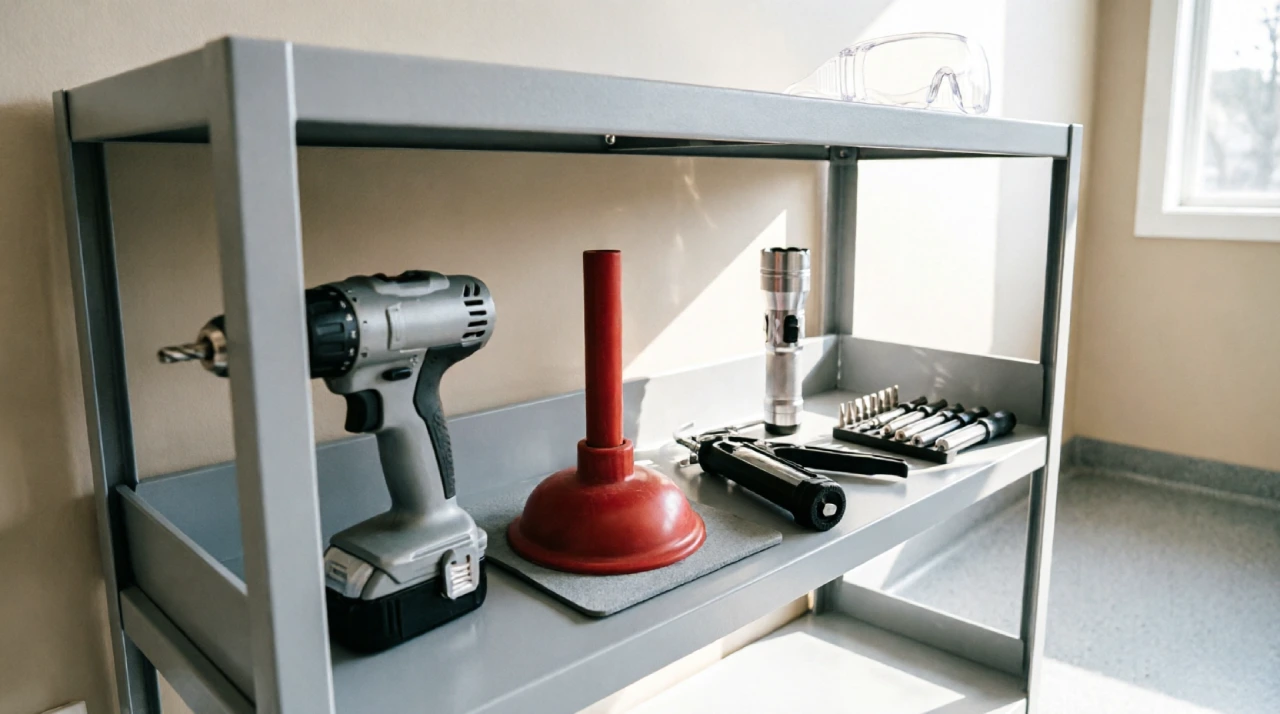
You don’t need a garage full of tools. These basics handle most routine maintenance tasks and can be bought for under $100 total:
- A sturdy plunger and a basic drain snake.
- A cordless drill with a bit set.
- A caulk gun and a tube of exterior silicone.
- A 6-in-1 screwdriver.
- A good flashlight and a step ladder.
- A multimeter for testing outlets and batteries.
- Work gloves and safety glasses.
Having these on hand means you won’t put off small fixes just because you lack the gear.
FAQs
How much should I budget for yearly home maintenance?
A smart rule is to save between 1% and 4% of your home’s value each year. For a $300,000 home, that’s $3,000 to $12,000. You won’t spend it every year, but a dedicated savings cushion keeps a new roof or broken furnace from becoming a crisis.
How often should I really change my air filters?
Check your filter every month, especially during heavy heating or cooling seasons. Many need replacing every 90 days. If you have pets or allergies, you might replace them every 30 to 60 days. A clean filter cuts energy bills and extends equipment life.
Can I skip seasonal maintenance if my home is new?
I wouldn’t. Even new homes settle, caulk cracks, and systems need breaking in. A brand-new house won’t show wear right away, but catching a small defect early — while maybe still under warranty — can save you thousands later.
What’s the one maintenance task I should never ignore?
Water intrusion. A small leak, no matter how tiny, never fixes itself. It rots wood, grows mold, and attracts pests. Always investigate dampness immediately.
How do I find a reliable contractor?
Ask neighbors and friends first. Then look for licensed, insured pros with recent local references. Always get a detailed written estimate and never pay the full amount up front.
Small Habits, Big Payoff
You don’t have to be a DIY expert to take great care of your home. A simple checklist and a few consistent minutes each month make all the difference. The home that stays dry, warm, and safe is rarely the product of huge renovation weekends — it’s the result of a hundred small, smart choices.
Start with that quick-start list today. Walk through your house with fresh eyes. Fix the little things before they grow. Your future self — and your wallet — will be grateful.

